Two Cultures Workshop: Water & Power
About the Workshop
Two Cultures Workshop: Water & Power was the inaugural workshop of the Two Cultures Institute, held at LUMS from 26 to 31 January 2026. Twenty-five participants were selected from over 1,100 applicants.
The workshop examined Pakistan's water and power sectors as two intimately linked systems. Since the founding of Pakistan, the two have been intertwined — early electricity projects were designed primarily to lift agricultural water, and major dams were planned as dual-purpose investments serving both irrigation and hydropower.
Today both sectors face acute, interconnected crises: circular debt exceeding PKR 2.6 trillion, some of the region's highest grid tariffs, per-capita water availability falling from around 5,600 m³ in 1947 to under 1,000 m³ today, floods causing damages of 2–3% of GDP in major disaster years, and agricultural overuse accounting for over 90% of national water withdrawals.
These crises are not parallel. Electricity choices shape water allocation; agricultural pumping shapes power demand; climate variability stresses both. Yet the academic, professional, and bureaucratic worlds addressing them remain siloed. The workshop was designed to bring those worlds into the same room — and to ask why technical fixes alone have not resolved the problems.
Sessions
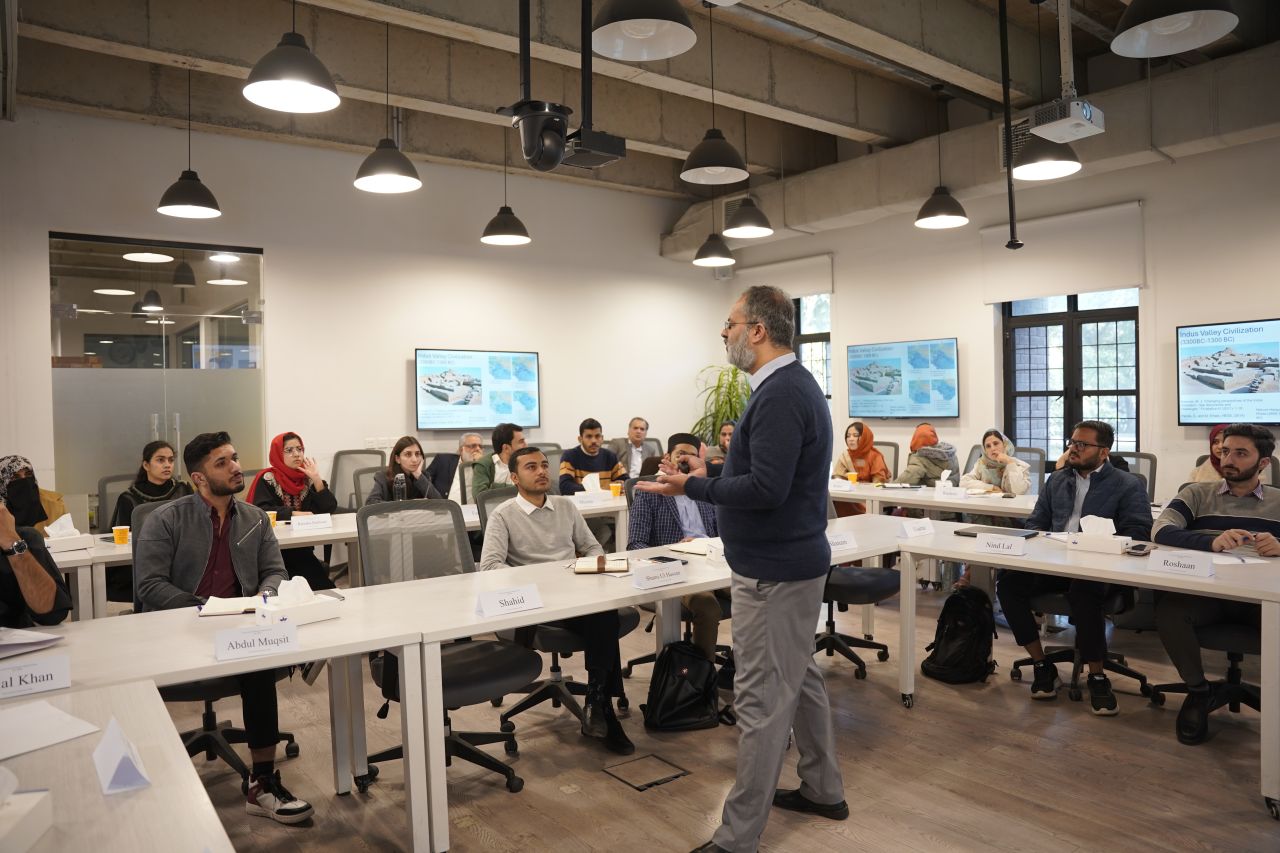
Introduction to Pakistan's Water Sector
Dr. Abubakr Muhammad
Founding Director, Centre for Water Informatics & Technology, LUMS
Read more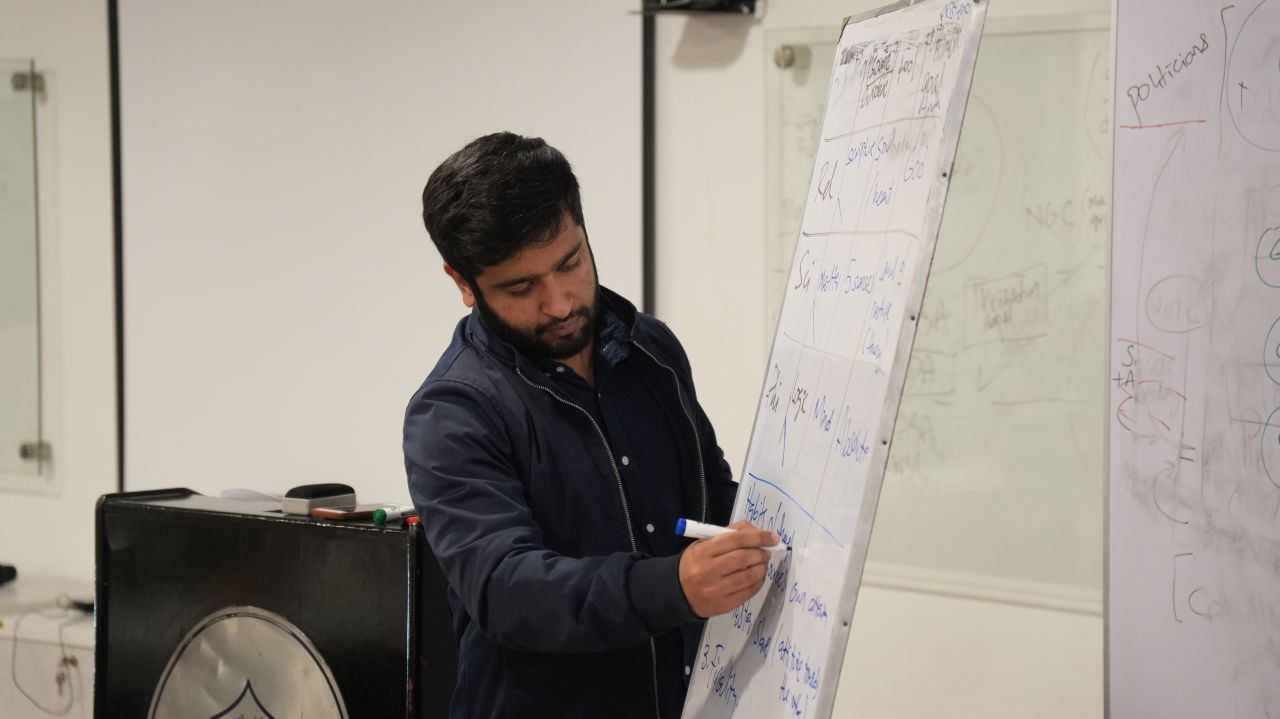
Leadership & Self Development
Ammar Qaseem
Research Fellow, Two Cultures Institute · Week-long stream
Read more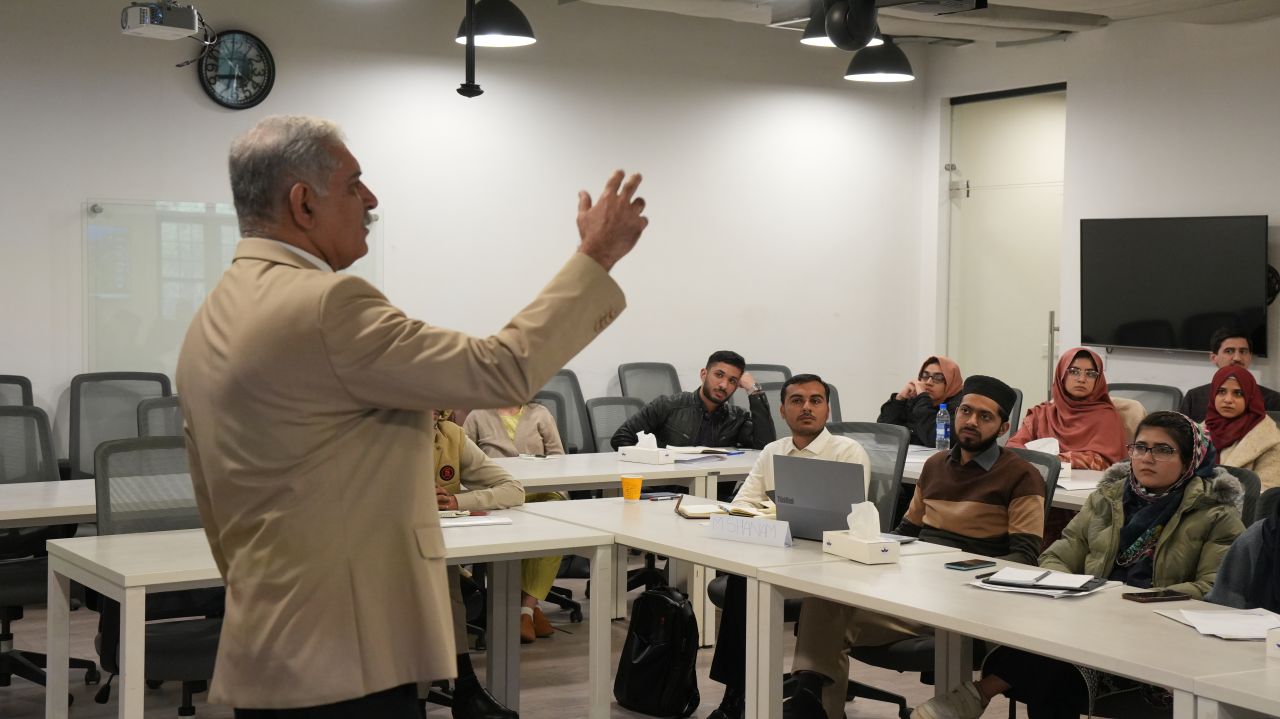
The Power Sector: Anatomy of a Persistent Crisis
Dr. Fiaz Chaudhry
Chairman, National Grid Company of Pakistan
Read more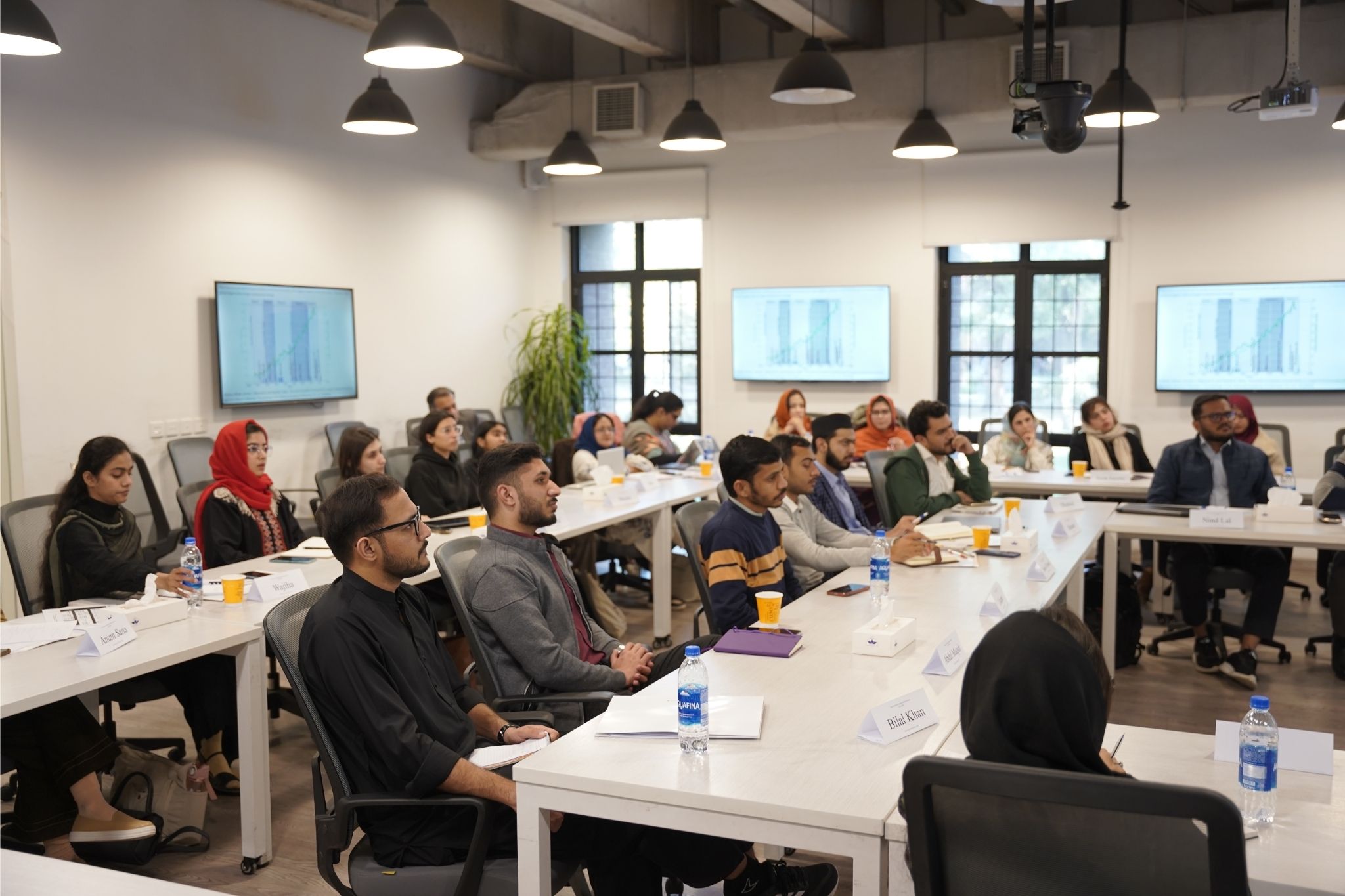
Policy Crises and Institutional Gridlock in Pakistan's Energy Transition
Dr. Rehan Malik
Associate Dean, Habib University
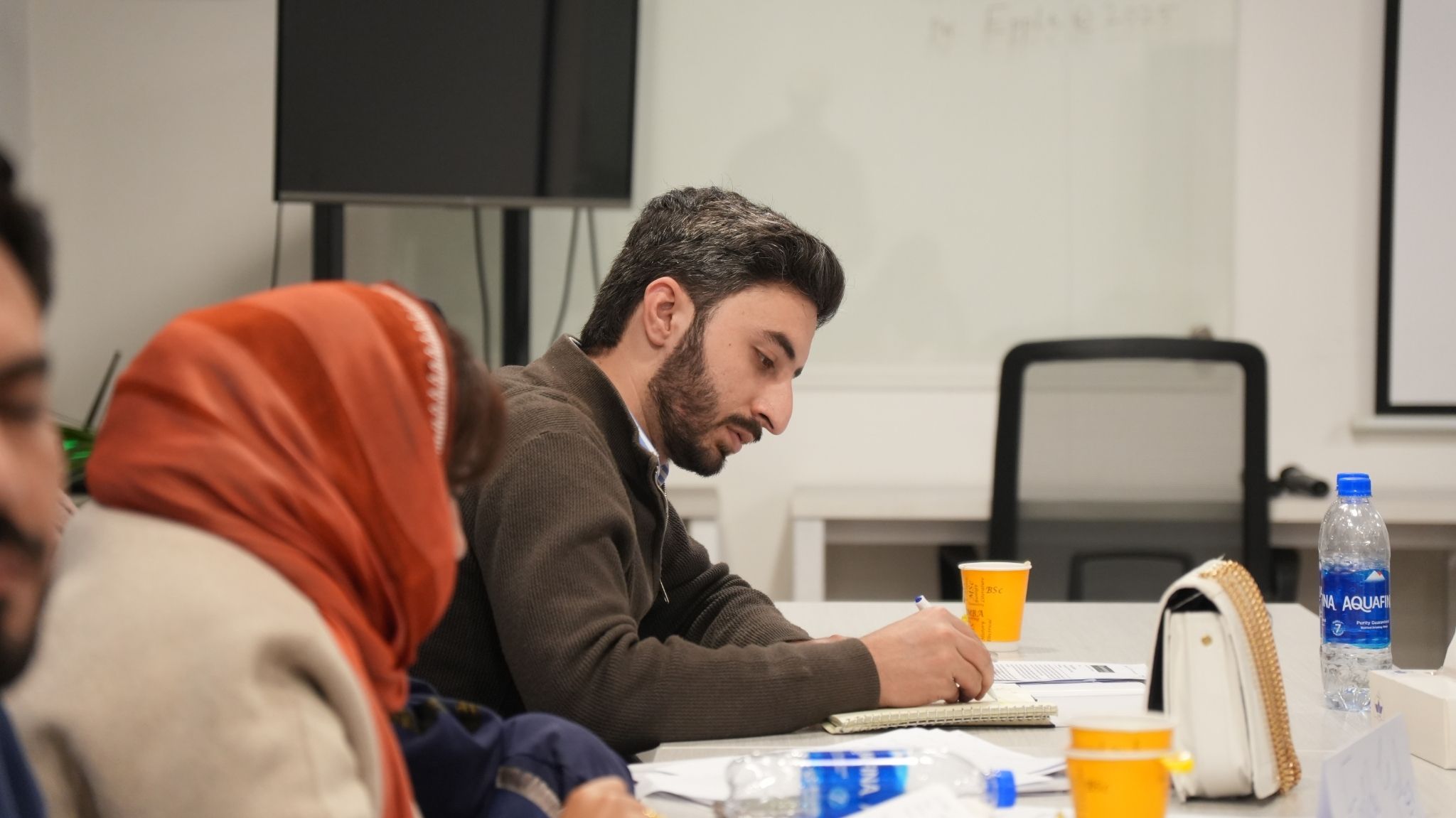
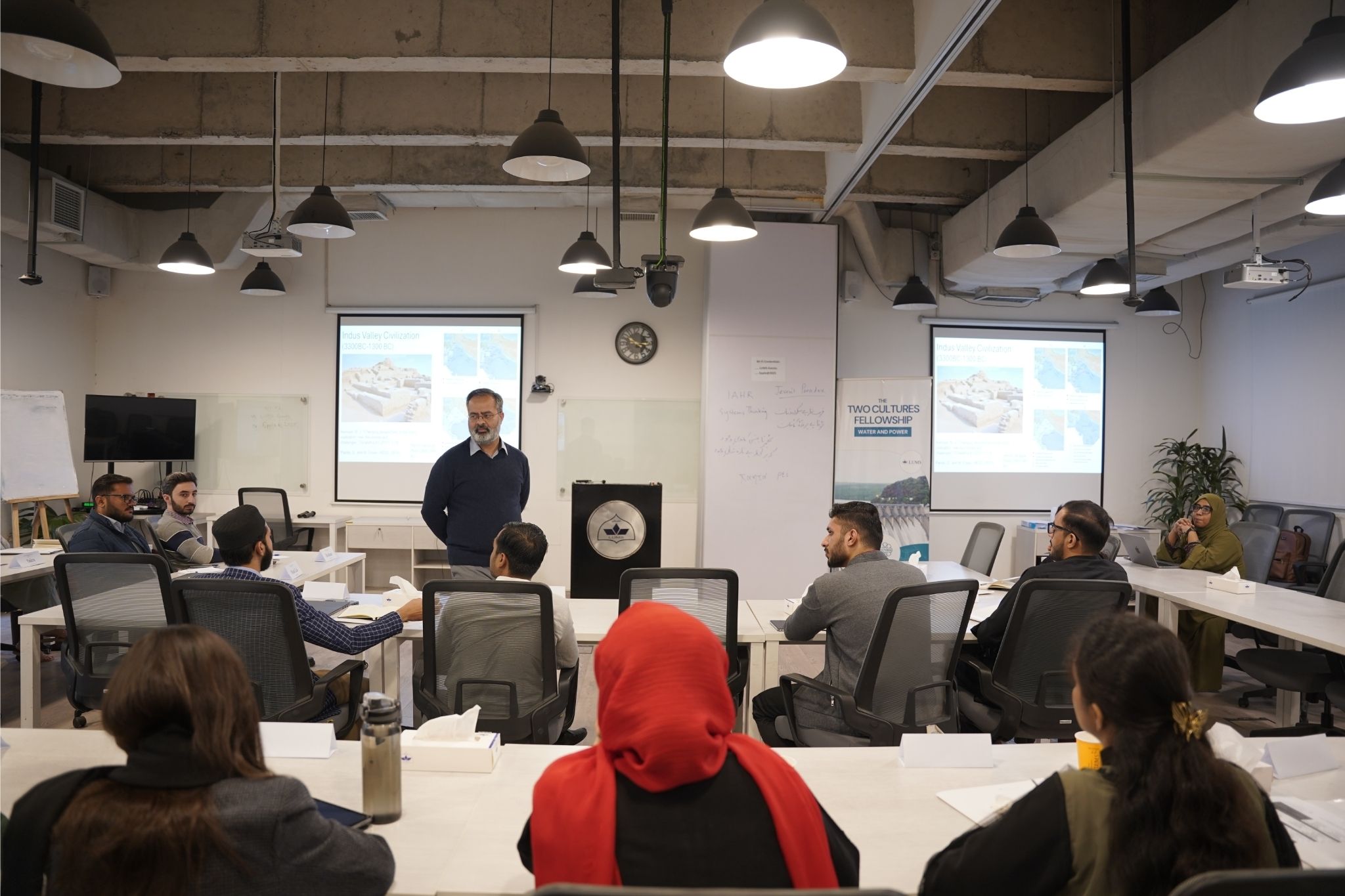
The Modern University & Academic Culture
Dr. Basit Bilal Koshul
Founding Director, Two Cultures Institute, LUMS
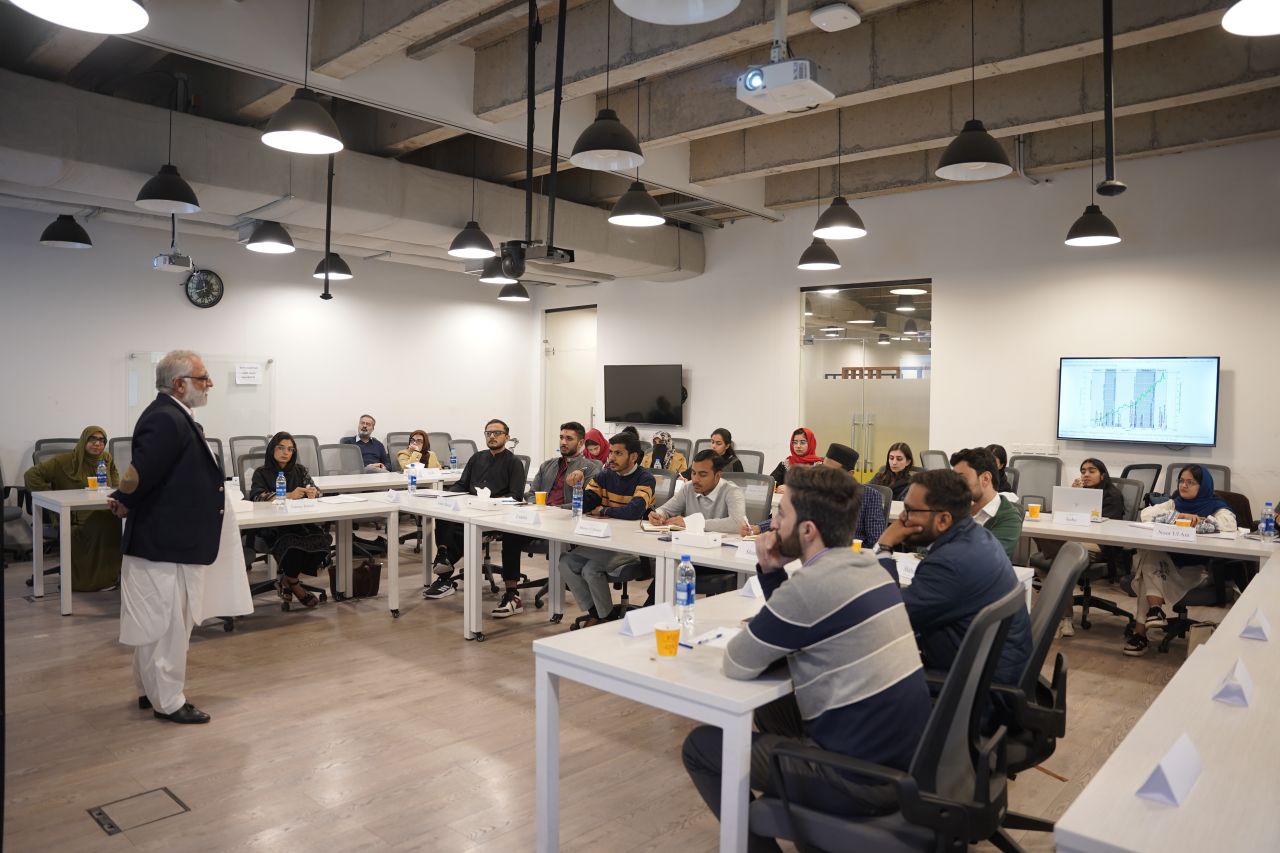
Water-Related Interdisciplinary Challenges in Pakistan
Dr. Abubakr Muhammad
Founding Director, Centre for Water Informatics & Technology, LUMS
Rethinking Irrigation, Equity, and Survival
Muhammad Mohsin Leghari
Former Minister for Irrigation, Punjab
Read more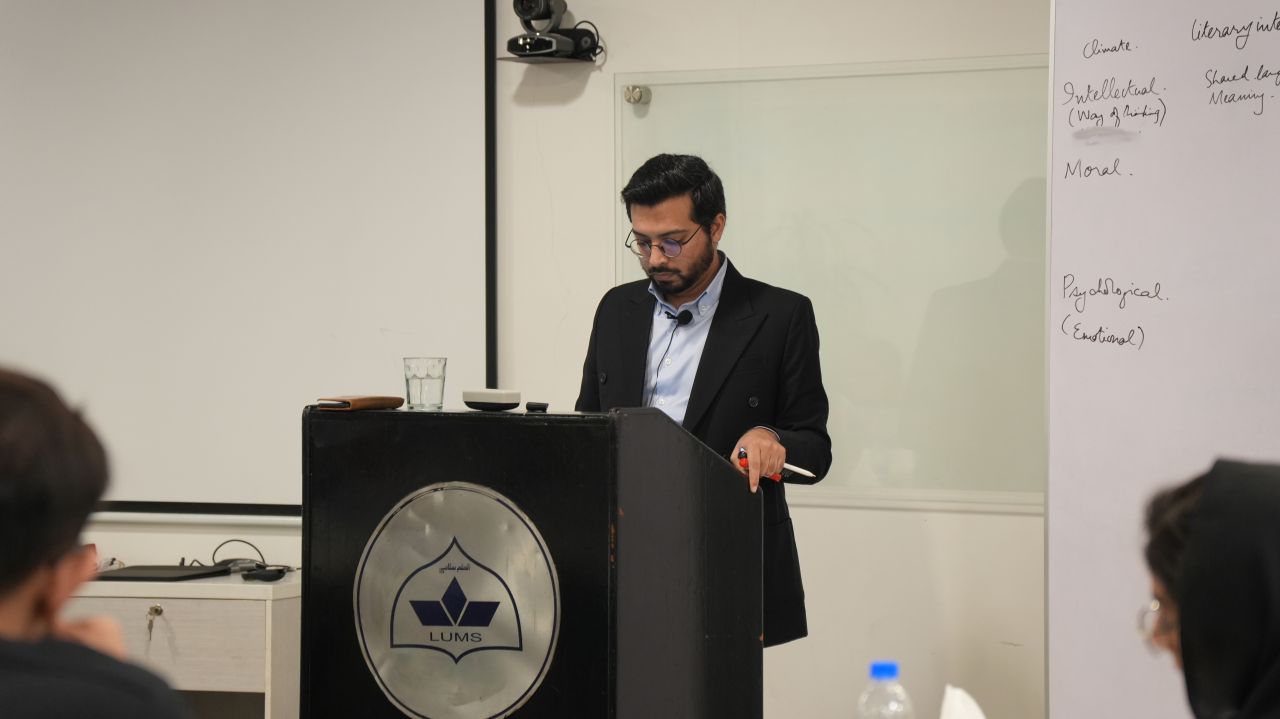
Introduction to the Two Cultures in Sciences & Humanities
Rehman Ur Rauf
CEO, Carte Blanche Innovation
Read more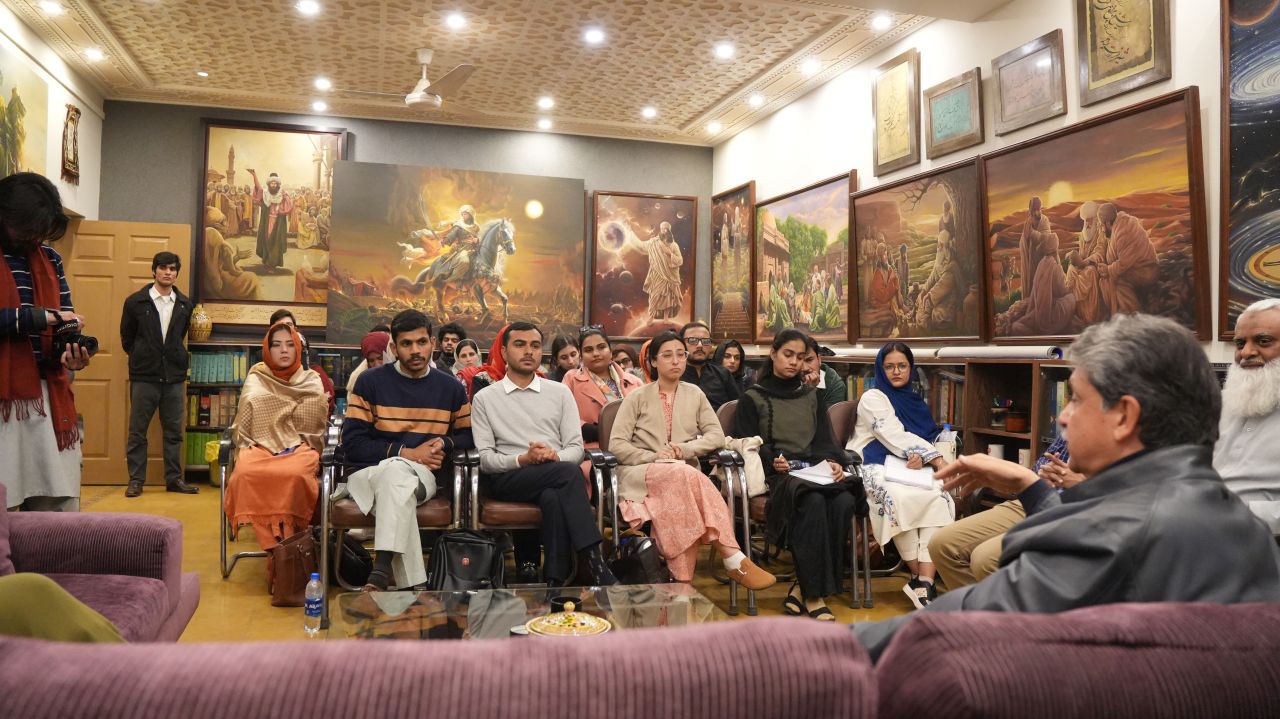
Urooj-e-Adam-e-Khaki: Iqbal's Vision at Dabistan-e-Iqbal
Mian Iqbal Salahuddin
President, Dabistan-e-Iqbal
Read more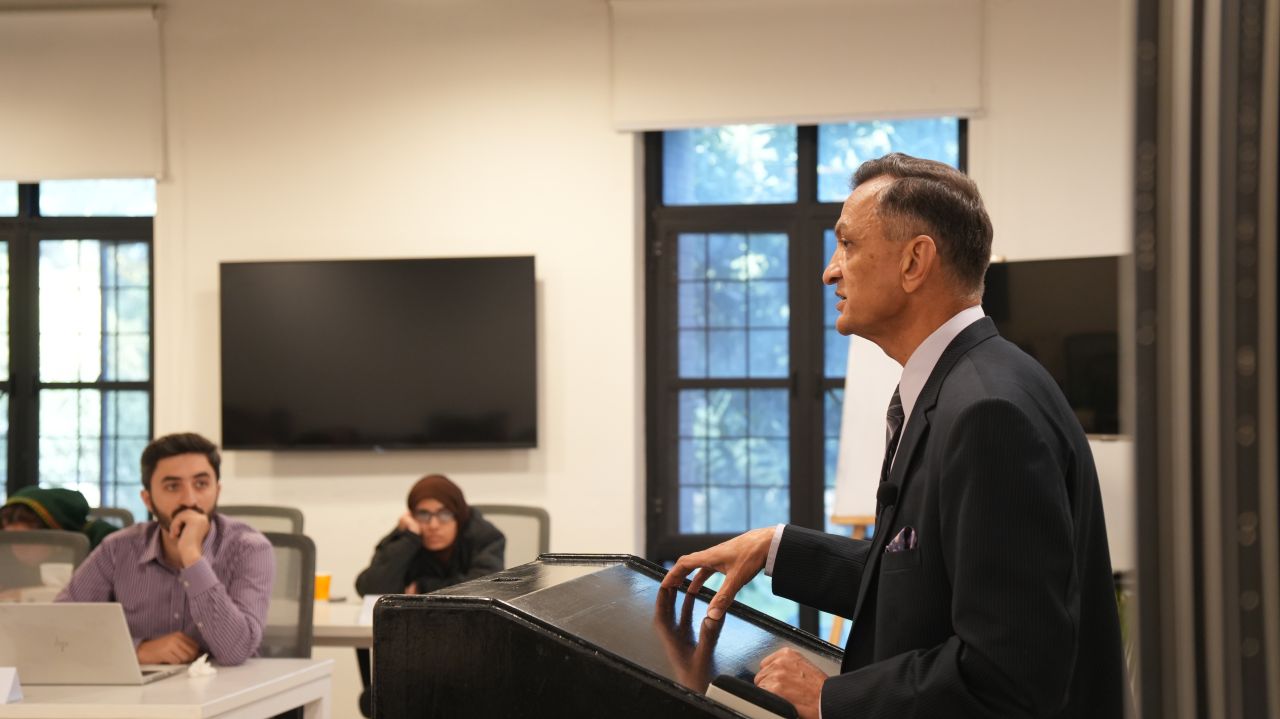
The Water-Energy Nexus: Interconnections and Dependencies
Dr. Hassan Abbas
Founding Chairman, ZiZAK
Read more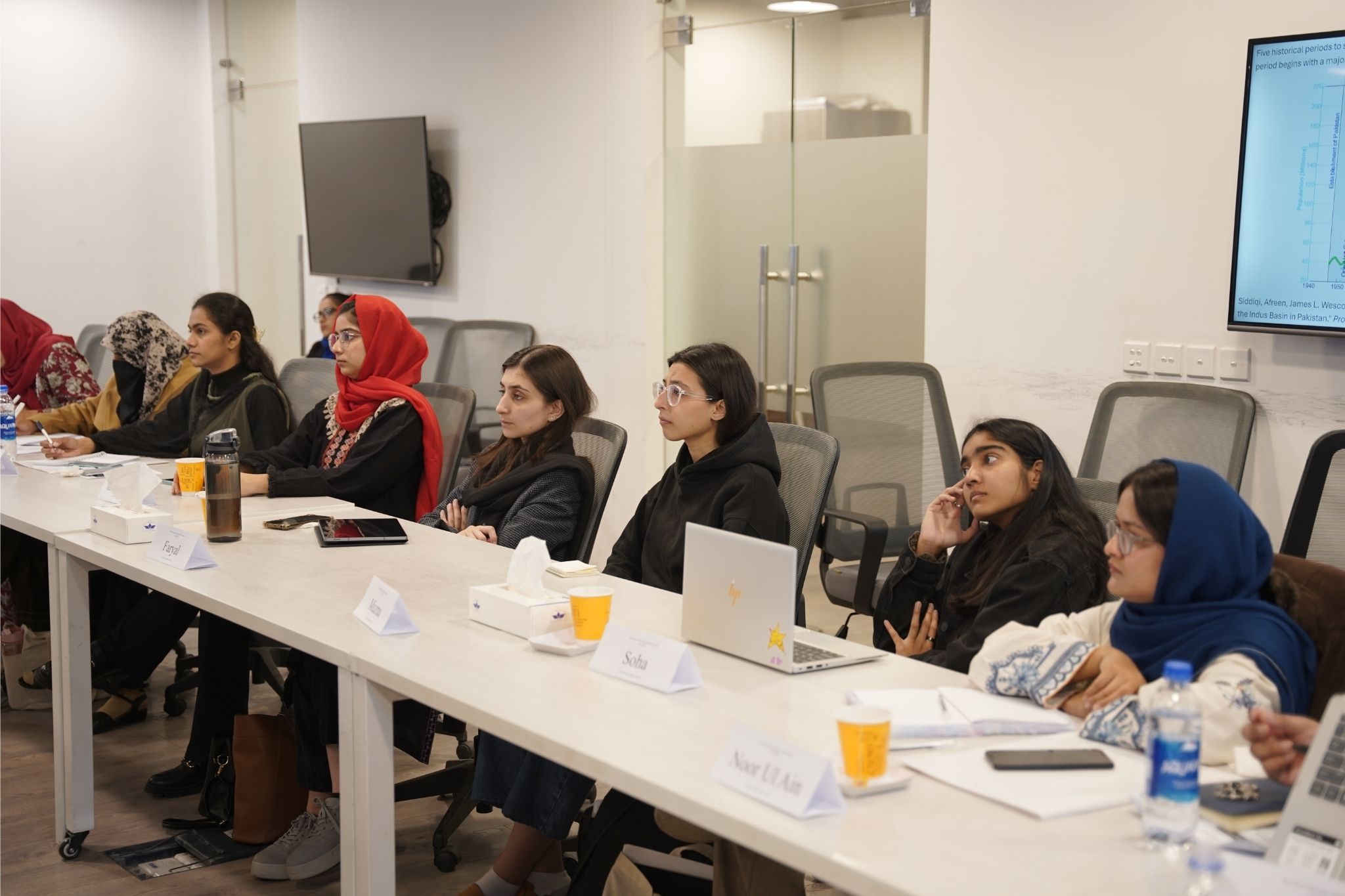
Power Sector Regulation and Water-Energy Planning
Dr. Jehanzeb Nasir
Power Planning and Monitoring Company (PPMC)
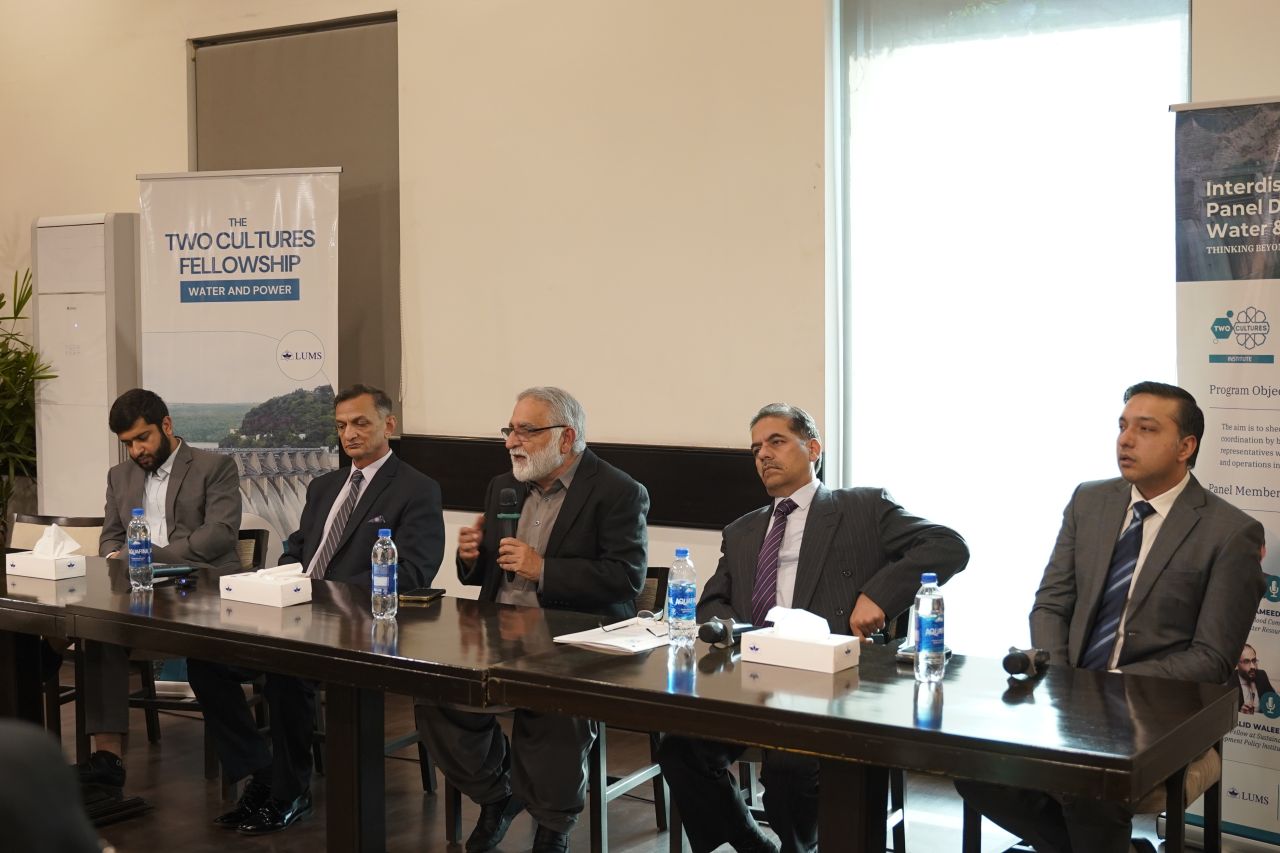
Interdisciplinary Panel Discussion
Ather Hameed · Muhammad Mohsin Leghari · Dr. Khalid Waleed · Dr. Hassan Abbas · Ali Nawazish
Moderated by Ammar Qaseem
Read more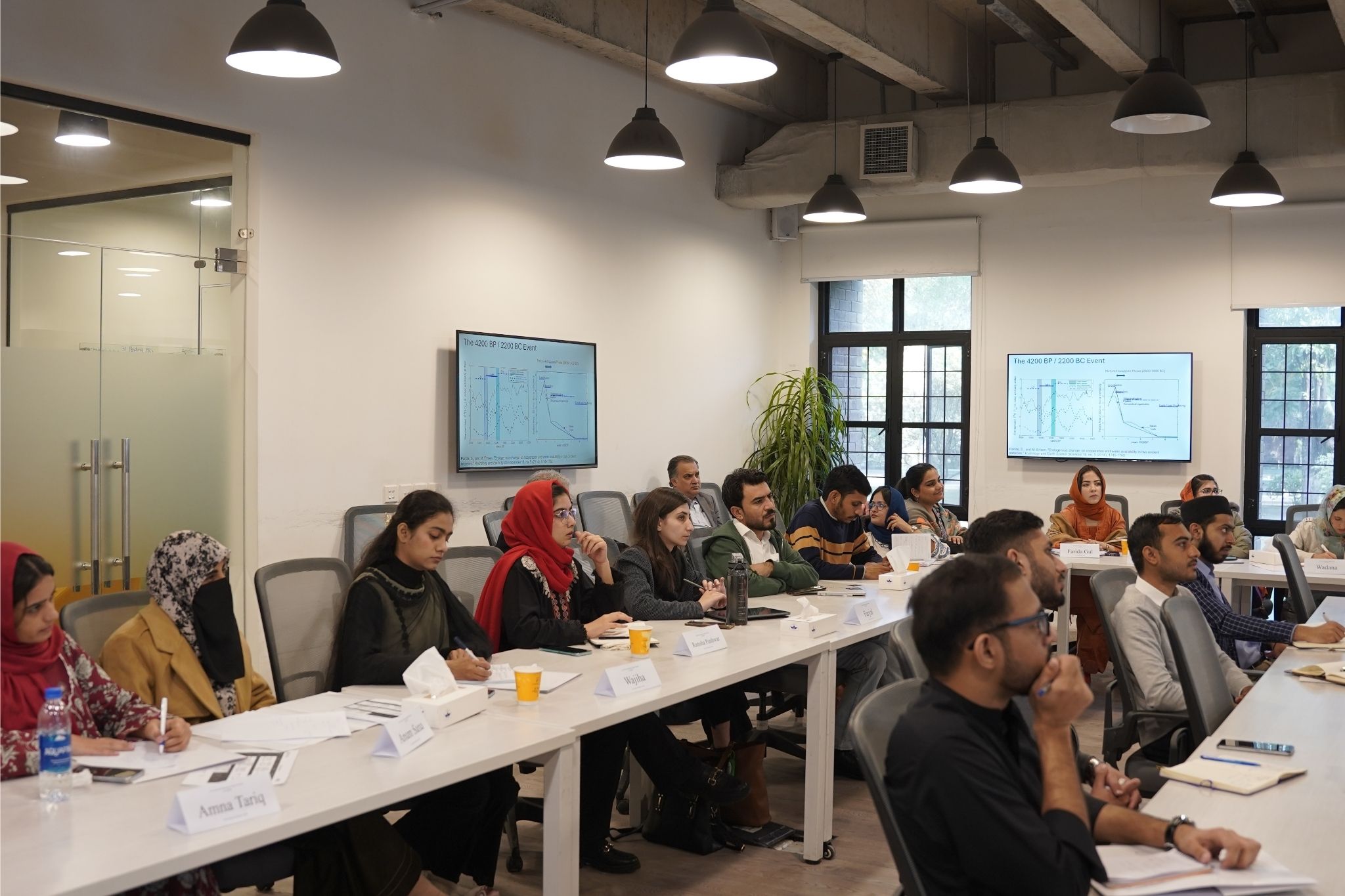
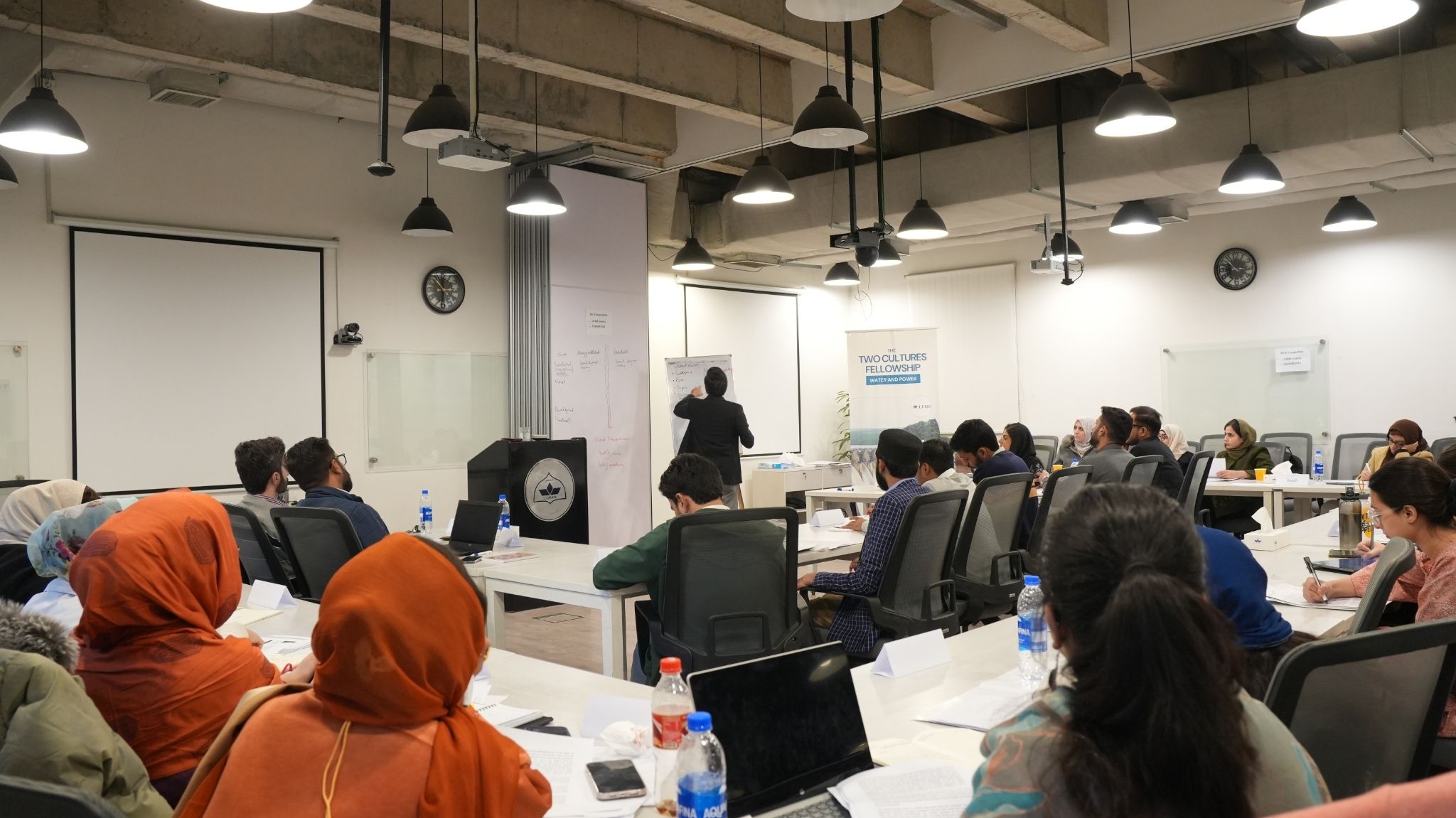
Fiscal Realities: The Economic Price of Water-Energy Crisis
Dr. Afia Malik
Economist, Pakistan Institute of Development Economics
Community and Creativity
Dr. Muhammad Azam Khalid
Assistant Professor, LUMS
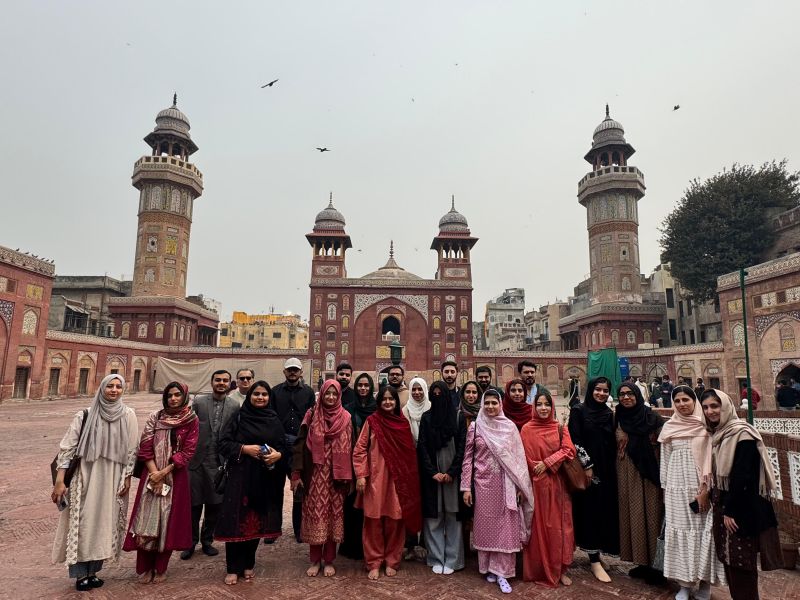
A Walk Through the Walled City of Lahore
Guided walk
Lahore Fort, Badshahi Mosque, Wazir Khan Mosque, Shahi Hammam, Delhi Gate
Read moreThe Cohort
Twenty-five participants were selected from over 1,100 applicants. They came from across Pakistan and from a range of disciplines — engineering, economics, law, public policy, the social sciences, and journalism — united by a willingness to engage across disciplinary boundaries.